Play Group
Play Group :
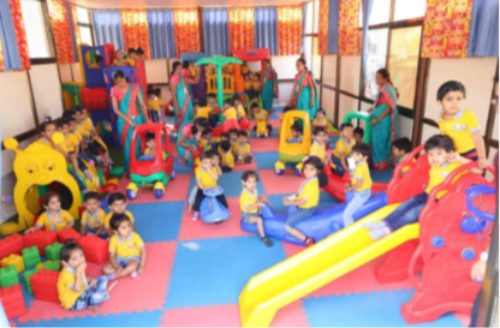
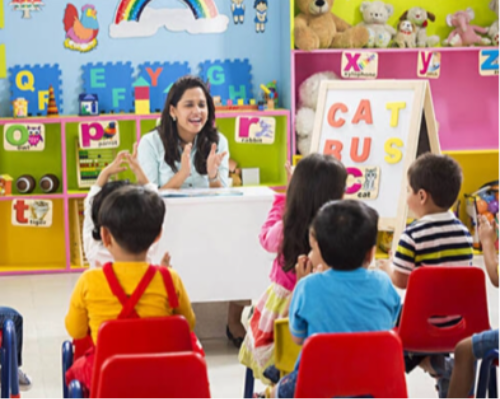
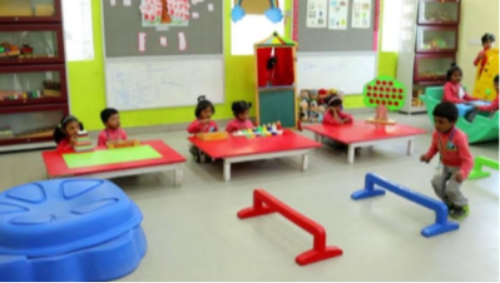
A playgroup is a regu- lar meeting for young children and their par- ents or carers to play and learn together. Playgroups are often held at preschools, schools, community halls, parks, or faith- based venues.
What happens at a playgroup?
Children play together in free play or organized activities
Parents supervise, socialize, and sometimes join in
Children learn through play and sensory experiences
Children develop cognitive, language, motor, and social skills
Benefits of play groups :
Socialization :
Children build relationships and interact with peers
Cognitive development :
Children engage in play and learning experiences
Physical development :
Children participate in physical activities
Emotional development :
Children express emotions and build self- esteem
Language development :
Children hear and use language in social interactions
Features of play groups
Materials :
Toys and equipment
Facilitator :
A nominated staff or community member that leads the playgroup
Space :
A dedicated space for the playgroup to run
Location :
An accessible place for participating families
Jr kg
Jr kg
Jr. KG stands for Junior Kindergarten. It's a play-based early learn- ing program for children who are four years old.
What does Jr. KG include?
Reading and writing :
Children learn to read quietly and aloud, and to trace letters and numbers
Speaking and listening :
Children develop their speaking and listening skills through activities like rhymes and songs
Critical thinking :
Children develop critical thinking skills through activities like problem solving and scientific inquiry
Social skills :
Children develop social skills through activities like role play and sharing
Arts and crafts :
Children develop their creativity through activities like art and crafts
Physical skills :
Children develop their physical skills through activities like movement, dancing, and skating.
Why is Jr. KG important?
Research shows that Jr. KG is a strong component of a child's early development and growth. It helps children develop the foundational skills they need for future learning.
Sr. KG
Sr. KG :
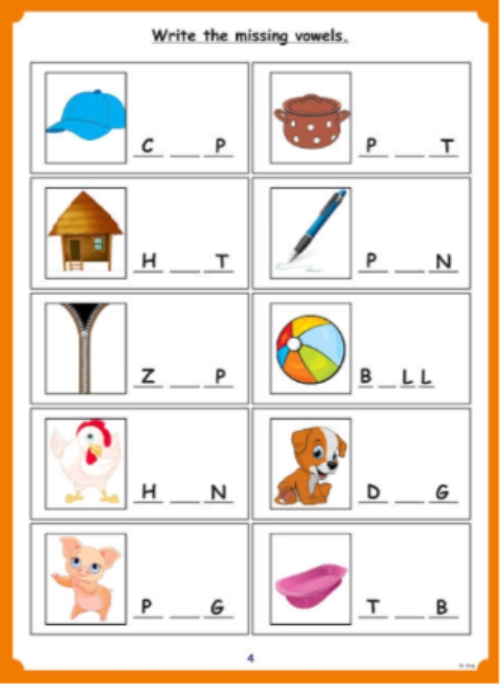
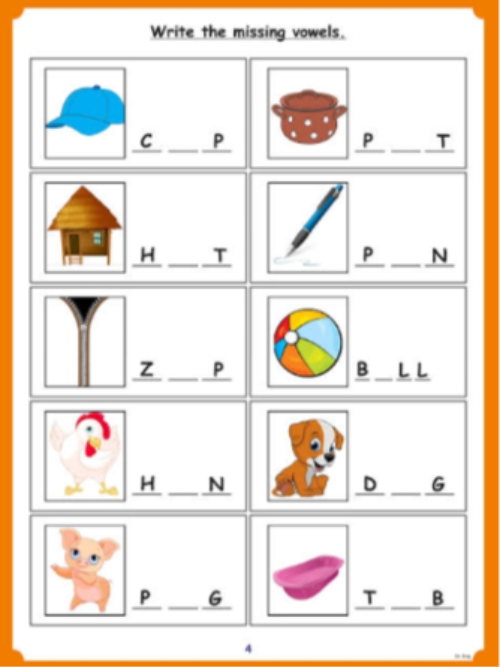
Senior Kindergarten (Sr. KG) is a preschool pro- gram that prepares children for primary school. It helps children develop language, reading, writing, and math skills, as well as social and emotional skills.
What children learn in Sr. KG
Language :
Children learn to listen, speak, read, and write. They also learn to make conversations and write simple sentences.
Math :
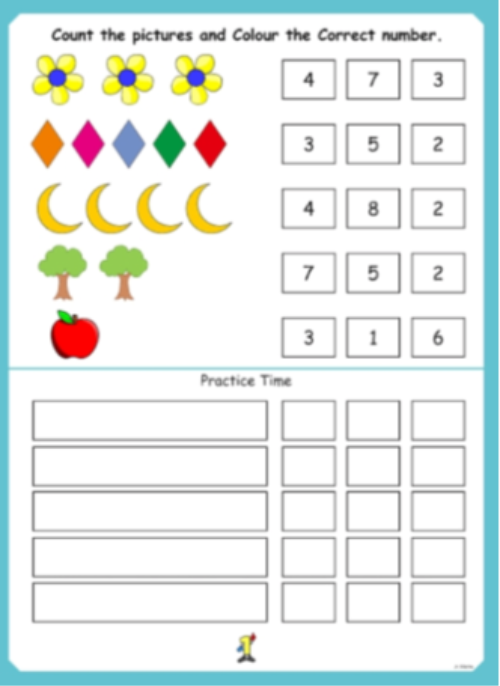
Children learn to count, compare, and sort objects. They also learn about shapes, sizes, and colors.
Social and emotional skills :
Children learn to share, empathize, and understand emotions. They also learn to make decisions and be independent.
General knowledge :
Children learn about different plants, animals, modes of transportation, and planets. They also learn about concepts like push and pull, wet and dry, and heavy and light.
Where children can learn Sr. KG
Lamproskids :
A preschool program that helps children develop their listening, speaking, reading, and writing skills
Makoons :
A program that helps children develop language, numbers, general knowledge, art, and music skills
The Toddler Town :
A program that helps children develop language, cognitive, social, emotional, gross motor, and fine motor skills
nursery
Nursery :
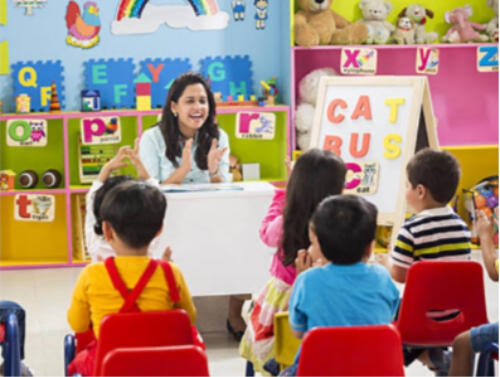
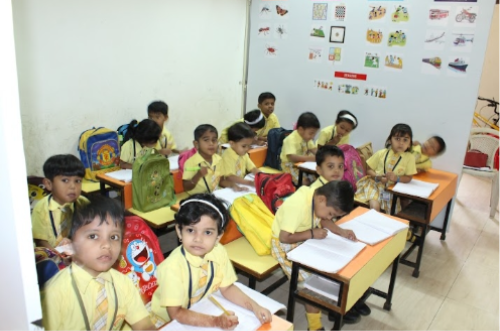
A nursery class is a preschool program that provides educa- tional activities for children who are too young for kindergarten or first grade.
Nursery classes are designed to help children learn basic concepts, develop social skills, and build a love of learning.
What children learn in nursery class?
Basic concepts :
Children learn about numbers, colors, shapes, and the alphabet
Social skills :
Children learn how to interact with others and develop friendships
Imagination :
Children develop their imagination through play and structured activities
What does a nursery class environment look like?
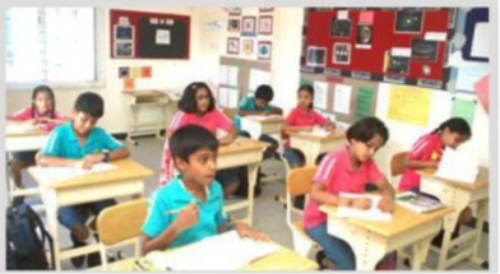
Nursery classes are safe, fun, and educational
Nursery classes often have toys and an outdoor playground
Nursery classes are designed to be supportive and loving, where children can feel comfortable expressing their ideas and feelings
Who teaches in nursery classes?
Nursery class teachers are usually trained in early childhood education and childhood development
Abacus
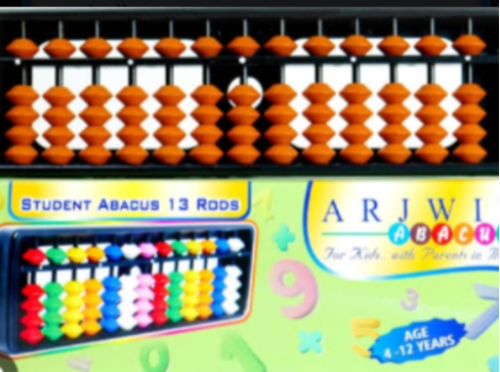
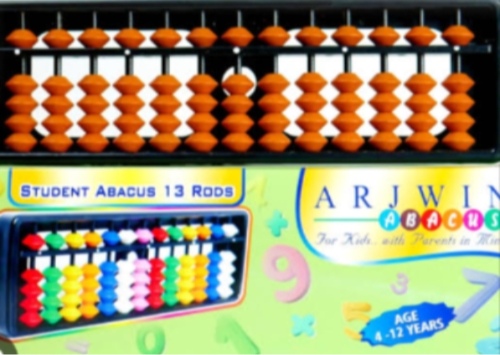
Butterfly proactive Abacus Admission Open Kadamwadi kolhapur
Benefits Of Proactive Abacus
Improve Concentration
Improve Grasping Capacity & Calculation
Enhance Visualization
Refine Analytical Skill Strengthen Recalling,
Upgrade Reasoning Skill Grow Reading/ Writing/ Listening/Accuracy
Butterfly academy
Butterfly academy :
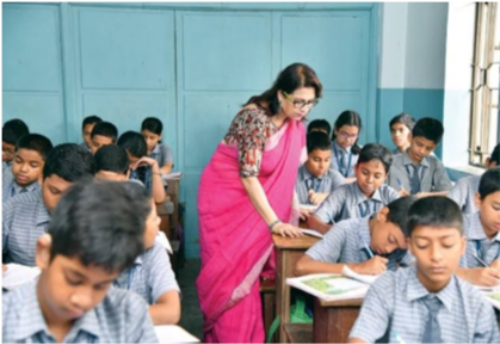
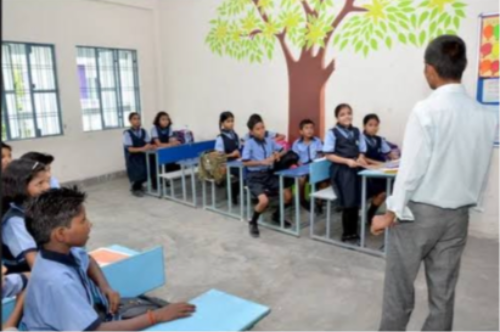
"1st Standard to 4th Standard" refers to the first four grades of primary school education, encompassing the foundational learning stages for young students, typically covering basic literacy, numeracy, and foundational concepts in various subjects like science and social studies.
Key points about Butterfly academy :
Early learning stage :
This period is considered crucial for building fundamental skills like reading, writing, counting, and basic problem- solving.
Focus on concrete learning :
Teachers often use visual aids and hands-on activities to introduce concepts to young learners.
Subject areas :
Common subjects taught in these grades include English, Mathematics, Environmental Studies (EVS), and sometimes a regional language.
Progression in complexity :
As students move from 1st to 4th standard, the concepts and expectations gradually become more complex.
Montessori Teacher Training Course
Montessori Teacher Training Course :
A Montessori Teacher Training Course is a specialized program designed to equip individuals with the knowledge and skills necessary to teach young children using the Montessori method, which emphasizes child-led learning, independence, and hands-on exploration, typically focusing on the principles developed by Dr. Maria Montessori; this training usually leads to a diploma or certificate, and can be completed online or in-person, often including practical experience in a Montessori classroom.
Key points about Montessori Teacher Training Courses:
Focus on Child Development :
The course delves deep into child development theories, understanding different stages of learning and how to tailor Montessori activities to each child's needs.
Classroom Setup and Materials :
Training includes learning how to set up a Montessori classroom with specific materials like sensorial materials, practical life activities, and math manipulatives, and how to use them effectively.
Teaching Philosophy :
A key aspect is understanding the core Montessori philosophy, which emphasizes observation, respect for the child's natural curiosity, and guiding them through self-directed learning.
Practical Application :
Most courses incorporate hands-on practice with children in a Montessori setting, allowing trainees to apply the learned techniques in a real classroom environment.
Course Content may include:
- Montessori principles and history
- Child development stages
- Classroom management strategies
- Sensorial activities
- Practical life skills
- Language development
- Mathematics education
- Art and creativity
- Assessment and observation techniques
Who can take a Montessori Teacher Training Course:
- Individuals interested in a career in early childhood education
- Current teachers looking to add Montessori methods to their practice
- Anyone with a passion for child development and fostering independent learning
Levels of Montessori Teacher Training :
Certificate Courses :
Short introductory courses providing basic knowledge of Montessori principles
Diploma Courses :
More in-depth training covering all aspects of Montessori teaching, often required to work as a certified Montessori teacher

Diploma in Teacher Training Course
Diploma in Teacher Training Course :
A diploma in teacher training covers a range of subjects, including child psychology, pedagogy, and teaching methodology. The subjects may also include classroom management, curriculum planning, and educational technology.
Subjects covered in a diploma in teacher training
Early childhood education :
Principles and approaches of early childhood education, characteristics of young learners, and language learning and acquisition
Lesson planning :
Lesson planning and instructional strategies
Classroom management :
Classroom management and resources management
Educational psychology :
Educational psychology and evaluation
Child development :
Child development and curriculum planning
Teaching methodology :
Teaching methodology and educational technology
Types of diploma in teacher training
Diploma in Pre and Primary Teacher Training (PPTT)
An 8-month course for aspiring and working teachers who want to learn about early childhood education
Diploma in Primary Teacher Training (PTT)
A program for people who want to become teachers for primary-level students
Diploma in Education (D.Ed)
A basic training program for people who want to enter the field of education