Play Group
Play Group :
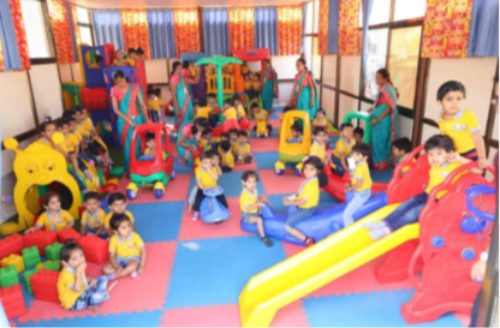
A playgroup is a regu- lar meeting for young children and their par- ents or carers to play and learn together. Playgroups are often held at preschools, schools, community halls, parks, or faith- based venues.
What happens at a playgroup?
Children play together in free play or organized activities
Parents supervise, socialize, and sometimes join in
Children learn through play and sensory experiences
Children develop cognitive, language, motor, and social skills
Benefits of play groups :
Socialization :
Children build relationships and interact with peers
Cognitive development :
Children engage in play and learning experiences
Physical development :
Children participate in physical activities
Emotional development :
Children express emotions and build self- esteem
Language development :
Children hear and use language in social interactions
Features of play groups
Materials :
Toys and equipment
Facilitator :
A nominated staff or community member that leads the playgroup
Space :
A dedicated space for the playgroup to run
Location :
An accessible place for participating families
nursery
Nursery :
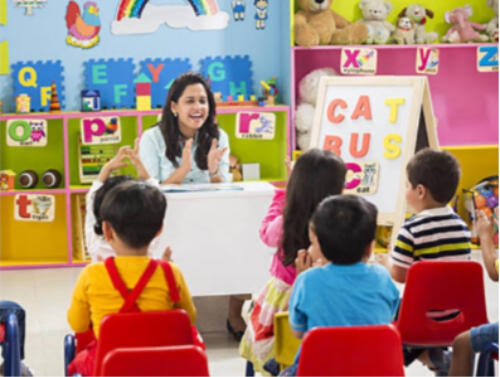
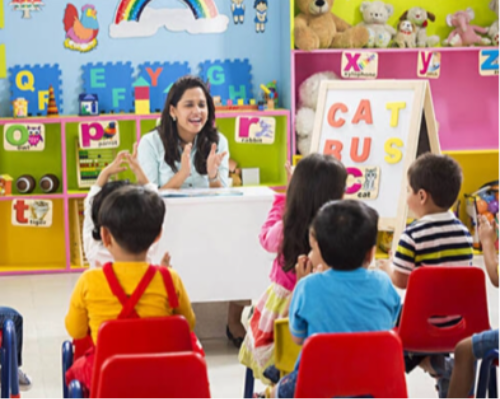
A nursery class is a preschool program that provides educa- tional activities for children who are too young for kindergarten or first grade.
Nursery classes are designed to help children learn basic concepts, develop social skills, and build a love of learning.
What children learn in nursery class?
Basic concepts :
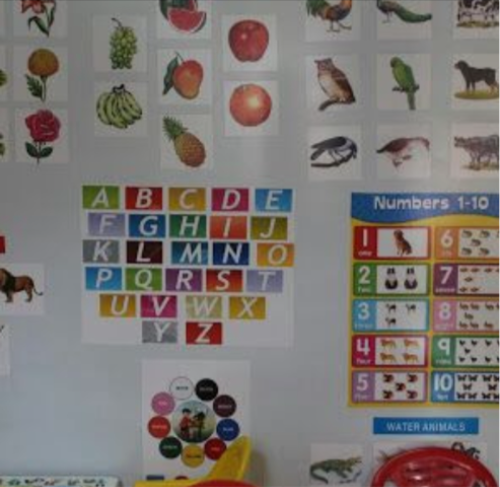
Children learn about numbers, colors, shapes, and the alphabet
Social skills :
Children learn how to interact with others and develop friendships
Imagination :
Children develop their imagination through play and structured activities
What does a nursery class environment look like?
Nursery classes are safe, fun, and educational
Nursery classes often have toys and an outdoor playground
Nursery classes are designed to be supportive and loving, where children can feel comfortable expressing their ideas and feelings
Who teaches in nursery classes?
Nursery class teachers are usually trained in early childhood education and childhood development
Jr kg
Jr kg
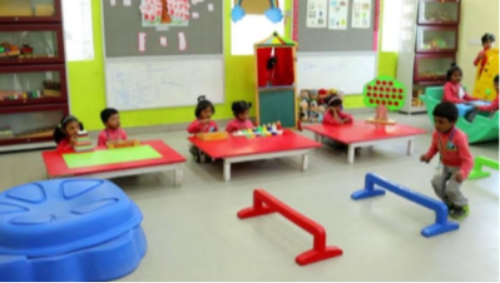
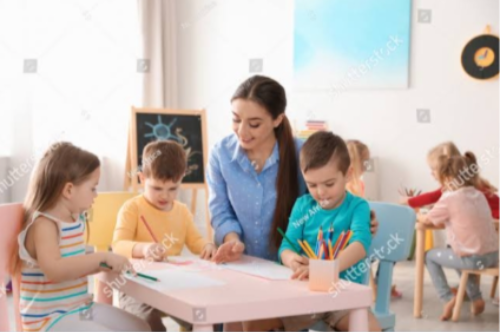
Jr. KG stands for Junior Kindergarten. It's a play-based early learn- ing program for children who are four years old.
What does Jr. KG include?
Reading and writing :
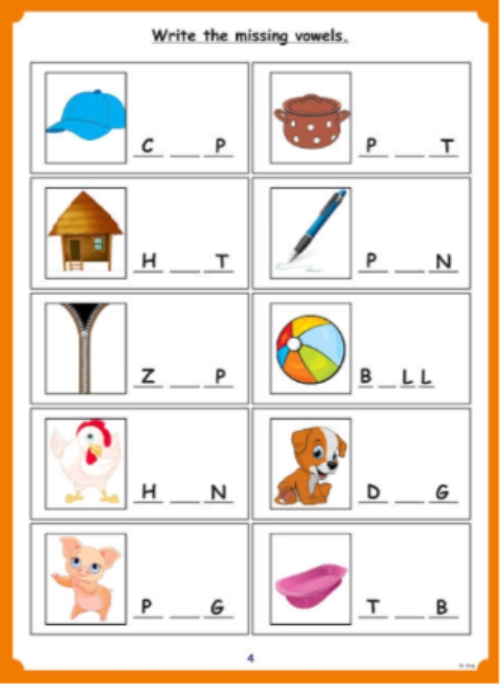
Children learn to read quietly and aloud, and to trace letters and numbers
Speaking and listening :
Children develop their speaking and listening skills through activities like rhymes and songs
Critical thinking :
Children develop critical thinking skills through activities like problem solving and scientific inquiry
Social skills :
Children develop social skills through activities like role play and sharing
Arts and crafts :
Children develop their creativity through activities like art and crafts
Physical skills :
Children develop their physical skills through activities like movement, dancing, and skating.
Why is Jr. KG important?
Research shows that Jr. KG is a strong component of a child's early development and growth. It helps children develop the foundational skills they need for future learning.
Sr. KG
Sr. KG :
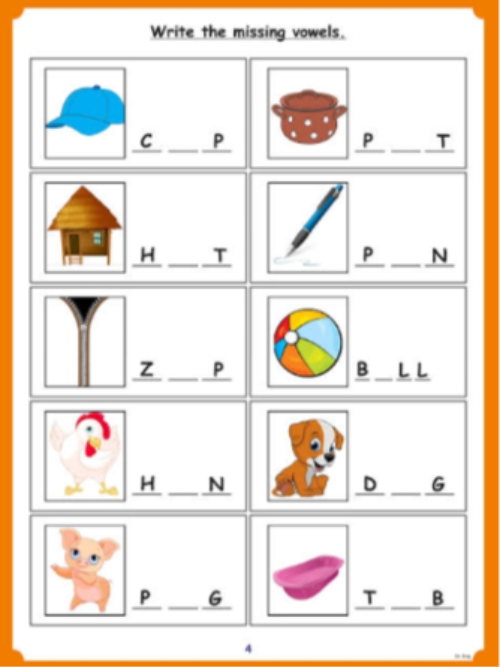
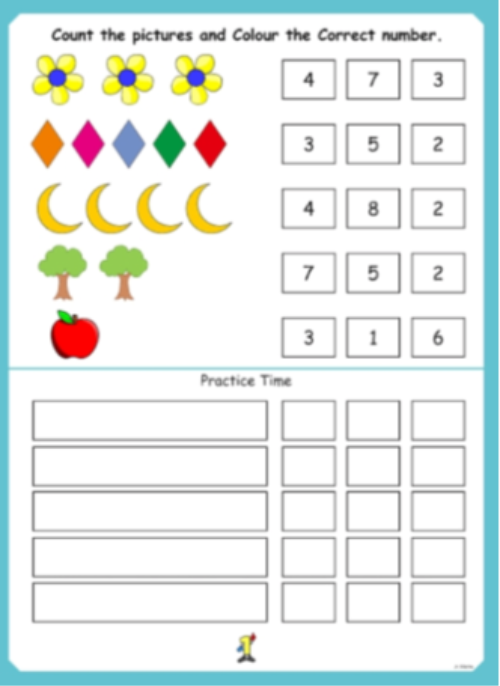
Senior Kindergarten (Sr. KG) is a preschool pro- gram that prepares children for primary school. It helps children develop language, reading, writing, and math skills, as well as social and emotional skills.
What children learn in Sr. KG
Language :
Children learn to listen, speak, read, and write. They also learn to make conversations and write simple sentences.
Math :
Children learn to count, compare, and sort objects. They also learn about shapes, sizes, and colors.
Social and emotional skills :
Children learn to share, empathize, and understand emotions. They also learn to make decisions and be independent.
General knowledge :
Children learn about different plants, animals, modes of transportation, and planets. They also learn about concepts like push and pull, wet and dry, and heavy and light.
Where children can learn Sr. KG
Lamproskids :
A preschool program that helps children develop their listening, speaking, reading, and writing skills
Makoons :
A program that helps children develop language, numbers, general knowledge, art, and music skills
The Toddler Town :
A program that helps children develop language, cognitive, social, emotional, gross motor, and fine motor skills
GENERAL RULES
GENERAL RULES
DRESS: Students should be in full uniformevery day.They should wear clean and tidy dress and socks every day. Students are not allowed to wear watches or any ornaments like chains or finger-rings or dangling earrings. Hair should be oiled and combed neatly. Girls should tie up their hair with red or white ribbon.
ATTENDANCE: Parents are requested to see that the child attends school every day. If he/she has to remain absent from school due to some extraordinary circumstance, the parents should inform the class teacher. A student must have at least 75% attendance. Parents should avoid going on outings during working days. If a student remains absent on a day, parents should write a note in the diary and send the very next day.
TIME TO MEET TEACHERS: Parents may meet the Principal or teachers to enquire about any matter regarding the studies or discipline of their children or to discuss any problem between 10 am to 12pm on second and fourth Saturdays.
GUIDELINES FOR PARENTS
GUIDELINES FOR PARENTS
In order to realize the highest ideal of education and to nurture the sterling qualities of an all rounded personality. the school solicits your co-operation.
Parents are requested to work hand-in-hand with the school in its attempt to help their children progress, paying attention to their punctuality, regularity and discipline. They should take interest in their child's studies and other activities.
Parents need to check the school diary every day and note the homework and other instructions given. They are advised to check the bags of their wards to see if any circular/notice/invitation etc. has been issued.
Parents should ensure that their children do not bring any valuables to school. They should also discourage buying and bringing of expensive items, including stationery and other items.
Parents must first consult the school calendar and other circulars before making enquiries on the phone.
Parents must provide the school with correct mobile numbers and also inform about the changes (if any).
Parents are requested to inform the school if there is any change in their address and telephone numbers.
Children when sick, should not be sent to school to attend tests/classes.
Parents are requested not to enter classroom to see their children or teachers during school hours without prior permission of the Principal.
GUIDELINES FOR PARENTS
The name, class and section of the pupil should be clearly marked on all belongings of the child. School will not be responsible for lost materials.
Parents should ensure that their wards are regular about their studies and make a daily timetable for them to follow at home.
Parents should make sure that for any absence from the school, a leave note is sent to the class teacher in diary.
The school discourages absenteeism and parents should not allow the students to skip classes. In case of emergency only short leave may be given.
Any kind of criticism of the school or teachers should be avoided in the presence of students.
In case any certificate is required from the school, parents need to fill in the application forms available at the School Office.
All the mother parents have to compulsory attend all the meetings held in the school